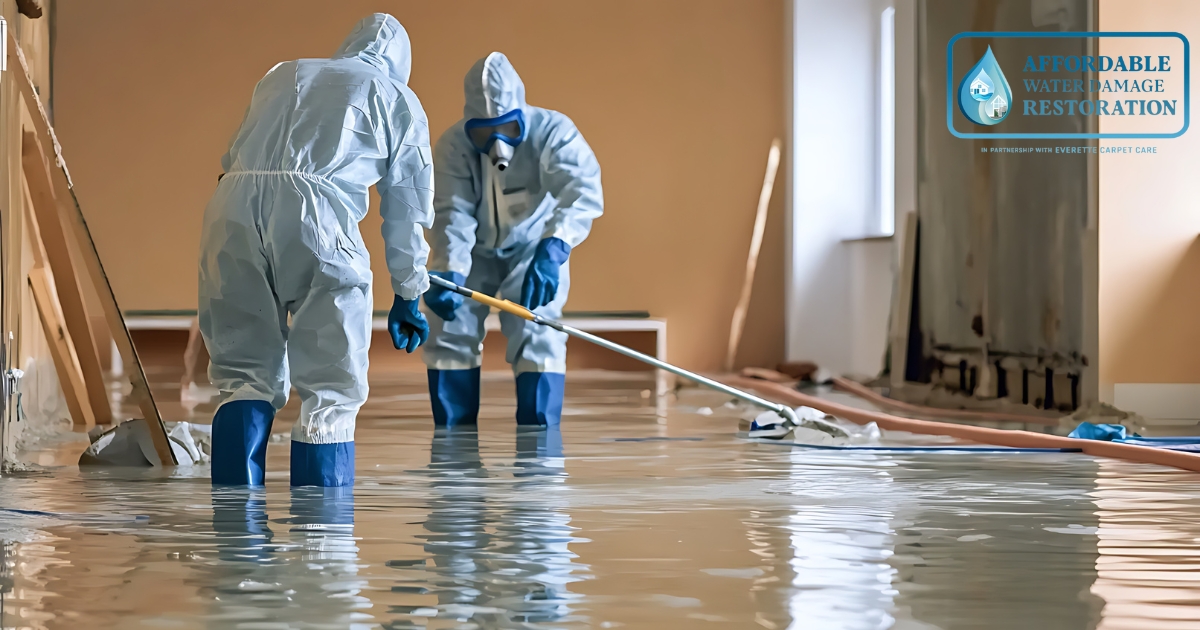
Heavy rainfall can bring more than waterlogged yards and crowded streets—it can also cause sewage to back up into homes across Aldie. A sewage backup is not just unpleasant to deal with; it also poses serious health and safety risks. Every homeowner in Aldie should understand why sewage backups happen, the dangers they create, and how to respond safely and effectively.
This guide explains how residents can protect their homes and families from sewage-related problems during periods of heavy rain.
Why Sewage Backups Occur During Heavy Rain
When storms produce excessive rainfall, local drainage systems can become overwhelmed. Large amounts of rainwater enter sewer lines, mixing with wastewater and exceeding the system’s capacity. When this occurs, sewage may reverse direction and flow back into homes through toilets, sinks, and floor drains.
Sewage backups can also result from damaged or blocked sewer pipes. Tree roots, grease buildup, and debris can restrict normal flow. During heavy rain, these blockages act as pressure points, forcing sewage into basements or lower-level plumbing fixtures. Homes with older sewer infrastructure in Aldie are particularly vulnerable to these issues.
Health Risks Associated With Sewage Backups
Raw sewage contains harmful bacteria, viruses, and parasites. Direct contact can lead to stomach illnesses, skin irritation, and respiratory problems. Even breathing in sewage odors may cause headaches, dizziness, or nausea.
Standing sewage water also encourages mold and mildew growth. Contaminated moisture can seep into walls, flooring, and furniture, leading to long-term structural damage and persistent odors if not cleaned quickly and properly.
Immediate Actions to Take When Sewage Backs Up
If you notice signs of a sewage backup during a severe storm, taking immediate action can help limit damage and protect your household. Aldie homeowners should follow these steps:
1. Put Safety First: Avoid touching sewage directly. Wear gloves, waterproof boots, and protective clothing. Keep children and pets away from affected areas.
2. Shut Off Electricity: If water is present near outlets or appliances, turn off power to the impacted area to prevent electrical hazards.
3. Stop Additional Water Flow: Locate and shut off your home’s main water valve to keep the situation from worsening.
4. Document the Damage: Take clear photos and videos of all affected spaces to support insurance claims and speed up the restoration process.
Why Professional Sewage Cleanup Is Necessary
While small water spills may seem manageable, sewage contamination requires professional cleanup. Trained technicians have the proper equipment and expertise to safely remove contaminated water and thoroughly disinfect affected areas. This process helps eliminate harmful pathogens and prevents further spread.
Homeowners often rely on trusted services such as water damage restoration in Aldie, VA to address sewage-related flooding, sanitize surfaces, and restore damaged materials. Professionals also use specialized drying equipment to remove hidden moisture and reduce the risk of mold growth.
Attempting to clean sewage on your own is unsafe and often ineffective. Removing visible water does not eliminate bacteria or contaminants. Professional restoration ensures your home is clean, safe, and fully restored.
How Aldie Homeowners Can Prevent Sewage Backups
Preventative measures are the best way to reduce the risk of sewage problems during heavy rain. Consider these proactive steps:
1. Schedule Routine Sewer Inspections: Have sewer lines inspected every one to two years to detect cracks, clogs, or early damage.
2.Install Backflow Prevention Valves: These devices stop sewage from flowing back into your home during storms.
3. Dispose of Waste Properly: Avoid pouring grease, oil, wipes, or paper towels down drains, as they can block pipes.
4. Maintain Gutters and Downspouts: Regular cleaning helps direct rainwater away from your home and reduces strain on sewer systems.
5. Watch for Tree Root Intrusion: Tree roots near sewer lines can damage pipes. Professional root removal helps prevent backups.
Insurance Coverage for Sewage Backup Damage
Many homeowners assume standard insurance policies cover all water damage, but sewage backups often require separate coverage. Review your policy carefully and consider adding sewage backup insurance if it is not included. This coverage can help pay for cleanup, repairs, and temporary housing if your home becomes unlivable.
Final Thoughts
Sewage backups caused by heavy rain are more than an inconvenience—they can threaten your health and cause significant property damage. Aldie homeowners benefit from understanding the causes, risks, and proper response to sewage emergencies. By taking preventative measures, relying on professional restoration services, and securing the right insurance coverage, you can protect your home and minimize damage during severe weather. Preparation and awareness are key to preventing heavy rain from becoming a sewage disaster.
Leave a Reply